May 18, 2026
In today's fast-paced world, creating an engaging office environment is more than just a luxury; it's a necessity. The ambiance of your workspace can significantly influence your productivity, creativity, and overall well-being. Choosing the right office furniture plays a crucial role in crafting this efficient and aesthetically pleasing space. As work environments evolve, there's a growing emphasis on selecting furniture that mirrors both functionality and design principles, contributing to a more dynamic and pleasant workspace. By making informed choices, you not only enhance the visual appeal of your office but also foster an environment that promotes comfort and efficiency.
Ergonomic Office Chairs
Importance of Ergonomics
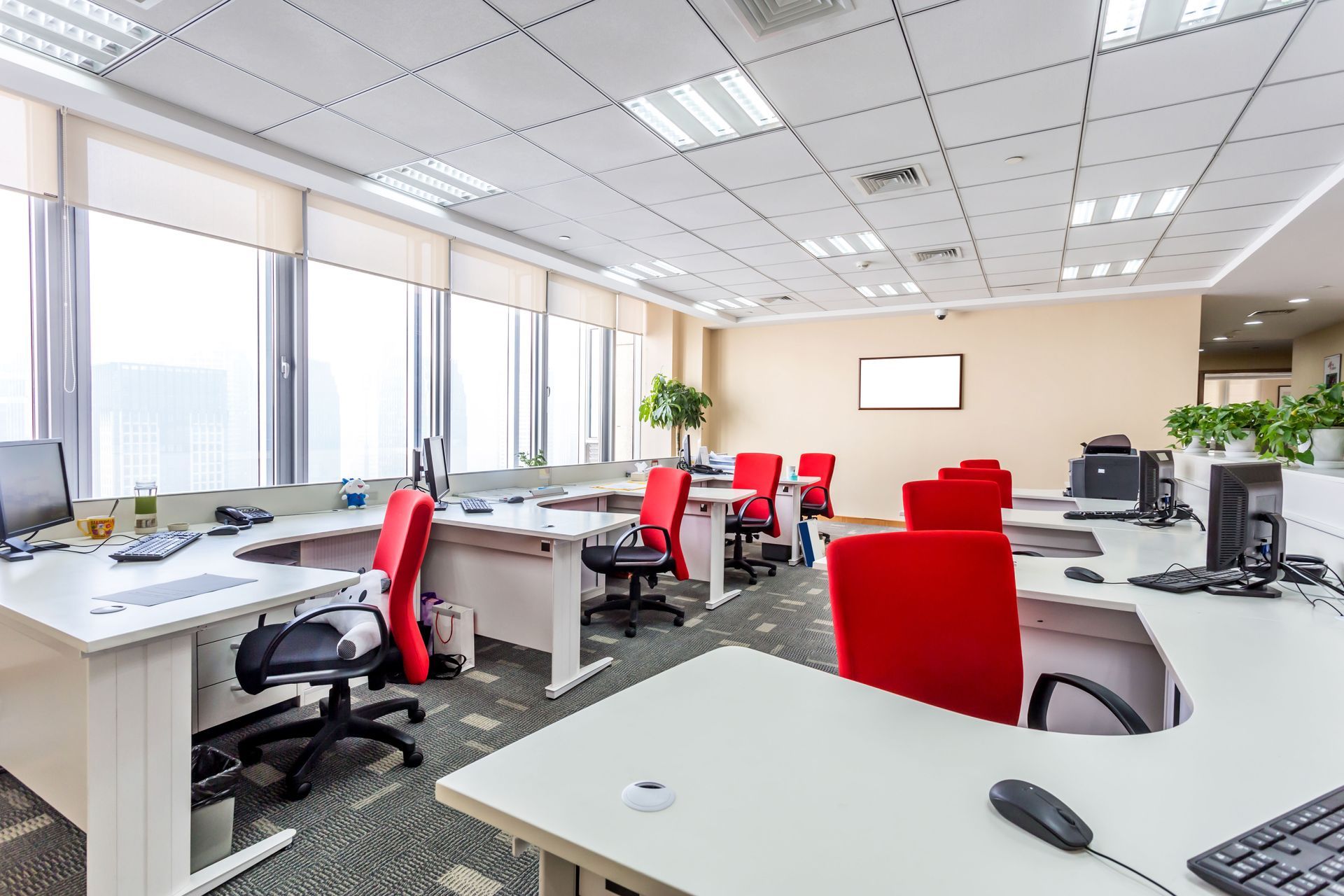
The concept of ergonomics focuses on designing workspaces and products to fit the user's needs, thereby enhancing efficiency and comfort. As one category of office furniture, ergonomic office chairs are designed to support natural body posture, reducing the risk of chronic health issues such as back pain and repetitive strain injuries. In a corporate setting, where employees spend the majority of their day seated, such chairs are indispensable for maintaining health and productivity. By employing ergonomic furniture, businesses can reduce sick days and improve overall staff morale, leading to increased output. It's clear that these chairs are not just a trend but an essential component in any modern office setting.
Features to Look For
When selecting office furniture such as an ergonomic office chair, there are specific features to prioritize. Adjustable seat height helps the user's feet remain flat on the floor, promoting better circulation and reducing leg strain. Lumbar support is crucial for safeguarding the natural curve of the spine and preventing lower back pain.
Armrests should be adjustable and support the forearms when typing. Additionally, a chair with a breathable fabric helps regulate temperature, supporting comfort throughout the day. These features combined can help create a chair that not only meets ergonomic standards but also elevates the user’s working experience.
How to Adjust Your Chair for Maximum Comfort
To derive the full benefits of an ergonomic chair, proper adjustment is key. First, make sure the chair’s height is set so that your feet are flat on the floor and your knees form a 90-degree angle. Adjust the lumbar support to comfortably support the lower back curve, promoting a natural posture. Armrests should be level with the desk, keeping arms parallel with the floor when typing. The backrest of the chair should be adjusted to support the spine wholly without forcing any particular posture. By fine-tuning these features, one can enjoy heightened comfort and support throughout the workday.
Maintaining Your Ergonomic Chair
Maintenance is an essential aspect of prolonging the life and effectiveness of an ergonomic office chair. Regularly check the moving parts for any signs of wear or damage, keeping the adjustments smooth and functional. Keep the fabric or leather clean and free from dust by vacuuming or wiping it down as needed. Lubricating any creaky joints can prevent further damage and maintain a quiet working environment.
Additionally, periodically reassess and readjust the settings to accommodate any changes in posture or ergonomic needs. Taking these maintenance steps can significantly extend your chair's lifespan, supporting ongoing comfort and support.
Efficient Storage Solutions
The Need for Organized Storage
An efficient workspace relies heavily on organized storage solutions to maintain order and functionality. Disorganized spaces create distractions, hinder productivity, and contribute to unnecessary stress. Effective storage solutions help to de-clutter the workspace, keeping essential items within reach and reducing search time. With corporate offices accounting for about 59.3% of office furniture demand, according to Mordor Intelligence, it's clear that efficiency in storage is a priority for most businesses. Organized storage systems promote a tidy environment that can inspire focus, creativity, and ultimately, successful task completion.
Types of Office Storage Furniture
Office storage furniture comes in a wide variety of types, making it an important part of office furniture planning for different organizational needs. Filing cabinets are a traditional choice, offering secure document storage with easy access. Bookcases provide open storage for manuals and display items, enhancing the office decor as well as functionality. For more flexible solutions, mobile pedestals and shelving systems offer modularity and adaptability. Lateral file cabinets are also a popular choice for their ability to store larger volumes of paperwork without taking up excessive space. By mixing and matching these solutions, one can tailor their storage setup to meet specific organizational needs.
Choosing the Right Storage Solutions for Your Needs
Selecting the right storage furniture begins with assessing the specific needs and volume of items to be stored. Consider the type of documents or materials that require storage; sensitive information may warrant lockable cabinets. Space constraints should guide the choice between vertical or horizontal storage options.
The aesthetic appeal of the storage furniture can also contribute to the overall office environment, blending functionality with design elegance. By analyzing these factors, one can create a strategic storage system that optimizes space while complementing the office's visual design.
Innovative Storage Ideas
Embracing innovative storage ideas can revolutionize the functionality and aesthetics of an office. Wall-mounted shelves utilize vertical space, freeing up the floor area for other purposes. Furniture with dual functions, such as benches with built-in storage, provides seating and additional room for office supplies. Open storage options like cubbies can display frequently used items for quick access. Rolling storage caddies introduce mobility, allowing reconfiguration of space as needed. These creative solutions enable a flexible, adaptive office space that can evolve alongside changing organizational requirements.
Personalized Decor and Accessories
The Role of Aesthetics in Productivity
The aesthetic quality of an office plays a pivotal role in shaping the productivity and mood of employees. A visually appealing space can stimulate creativity and maintain a positive atmosphere conducive to innovation. Thoughtful decor choices that resonate with personal tastes can complement the furniture layout, bolster morale, and create a sense of ownership and comfort within the workspace. Balancing functionality with decorative elements enables a harmonious environment that supports focused work. By aligning the office aesthetic with the organization's ethos, a cohesive and inspiring setting emerges, encouraging collaboration and efficiency.
Decor Items That Enhance Mood
Incorporating specific decor items can have a profound impact on the mood and function of an office. Color plays a significant role in modifying mood; blues and greens can be calming, while yellows and oranges can inspire energy and creativity. Art pieces, whether paintings or sculptures, introduce personality and spark interest.
Plants not only add color and vitality but also improve air quality and reduce stress. Personalized items such as family photos or motivational quotes create a sense of connection and drive. By strategically selecting decor, the office becomes an inviting space that complements productivity.
Balancing Minimalism and Functionality
Striking a balance between minimalism and functionality is essential for creating a tidy, effective workspace. Minimalism emphasizes simplicity, eliminating unnecessary clutter that can impede mental clarity. However, the workspace must still accommodate essential tools and materials for efficient task execution. Thoughtful organization, such as using concealed storage or modular furniture, supports both minimalist aesthetics and functional needs. By curating a selection of purposeful items, an office can embody a minimalist philosophy that fosters concentration and innovation. Achieving this balance provides a space that nurtures productivity while maintaining a serene and unobstructed visual environment.
Maintaining Organization Over Time
To maintain effective organization over the long term, regular assessments and adjustments to the storage system are essential. Periodically evaluate the relevance and necessity of stored items, purging outdated or redundant contents. Establish a coherent labeling system to clearly identify storage locations and contents, facilitating swift access. Encourage practices, such as returning items to their designated spots after use, to build a culture of tidiness. Open lines of communication among staff members about storage needs can foster collective responsibility for maintaining order. Through vigilant oversight and collaboration, a well-organized office environment can be sustained indefinitely.
Creating an uplifting office environment starts with thoughtful choices that support comfort, organization, productivity, and visual appeal. Ergonomic chairs, standing desks, storage pieces, lighting, decor, and greenery can all work together to shape a workspace that feels both practical and welcoming. By selecting office furniture with daily use, long-term durability, and employee comfort in mind, businesses can create an environment that supports better focus and a stronger workplace experience. Looking to upgrade your office space? Contact Cooper's Office Furniture LLC today to learn more.